
Mole/ Nevus
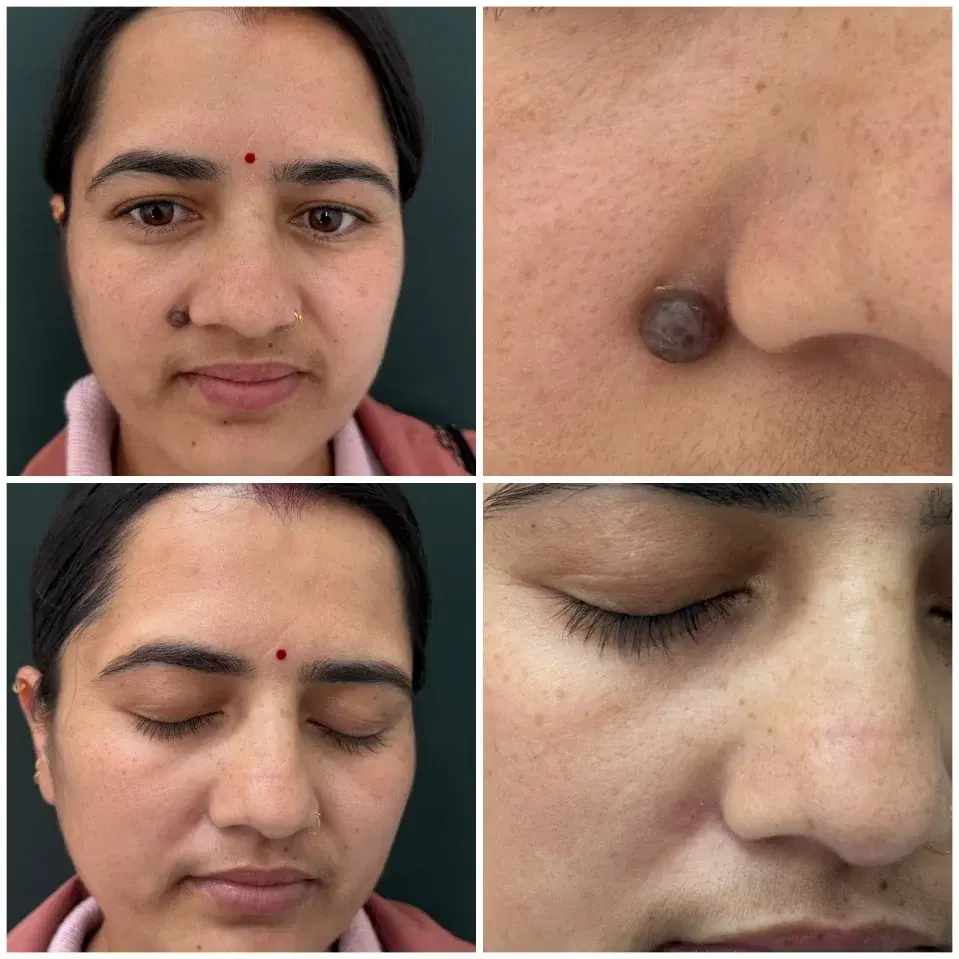
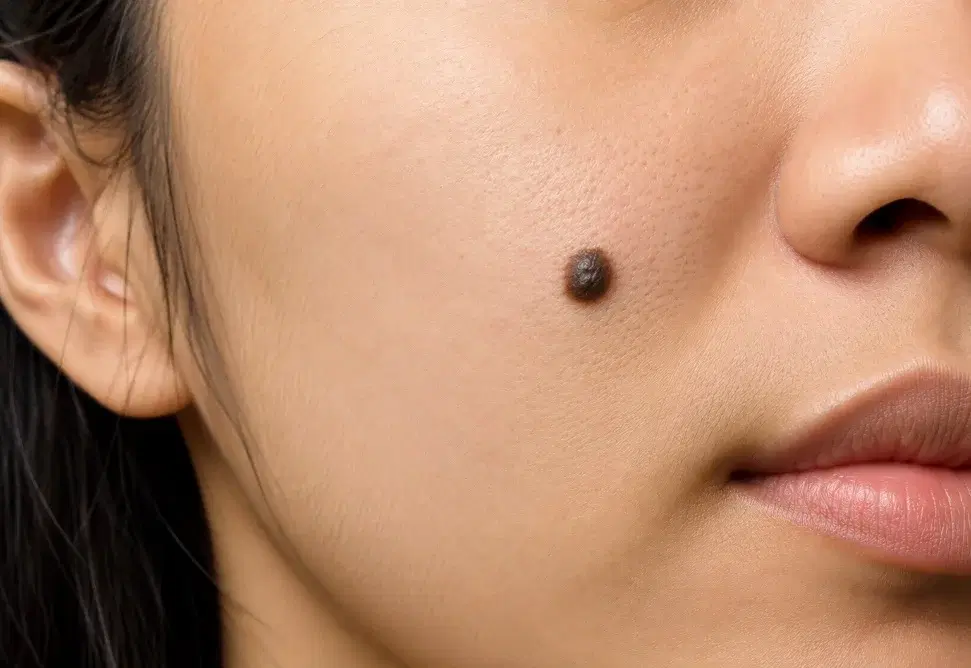
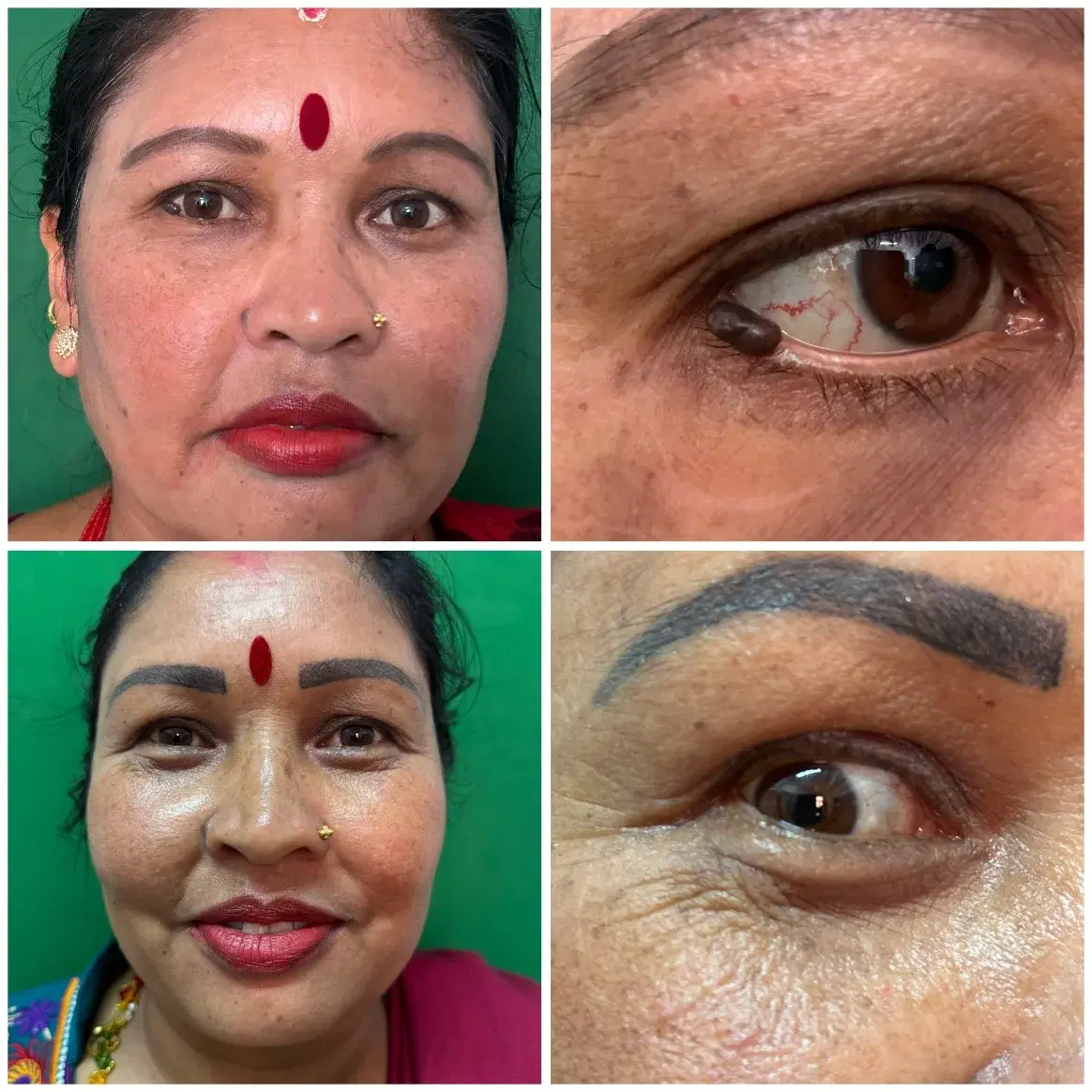
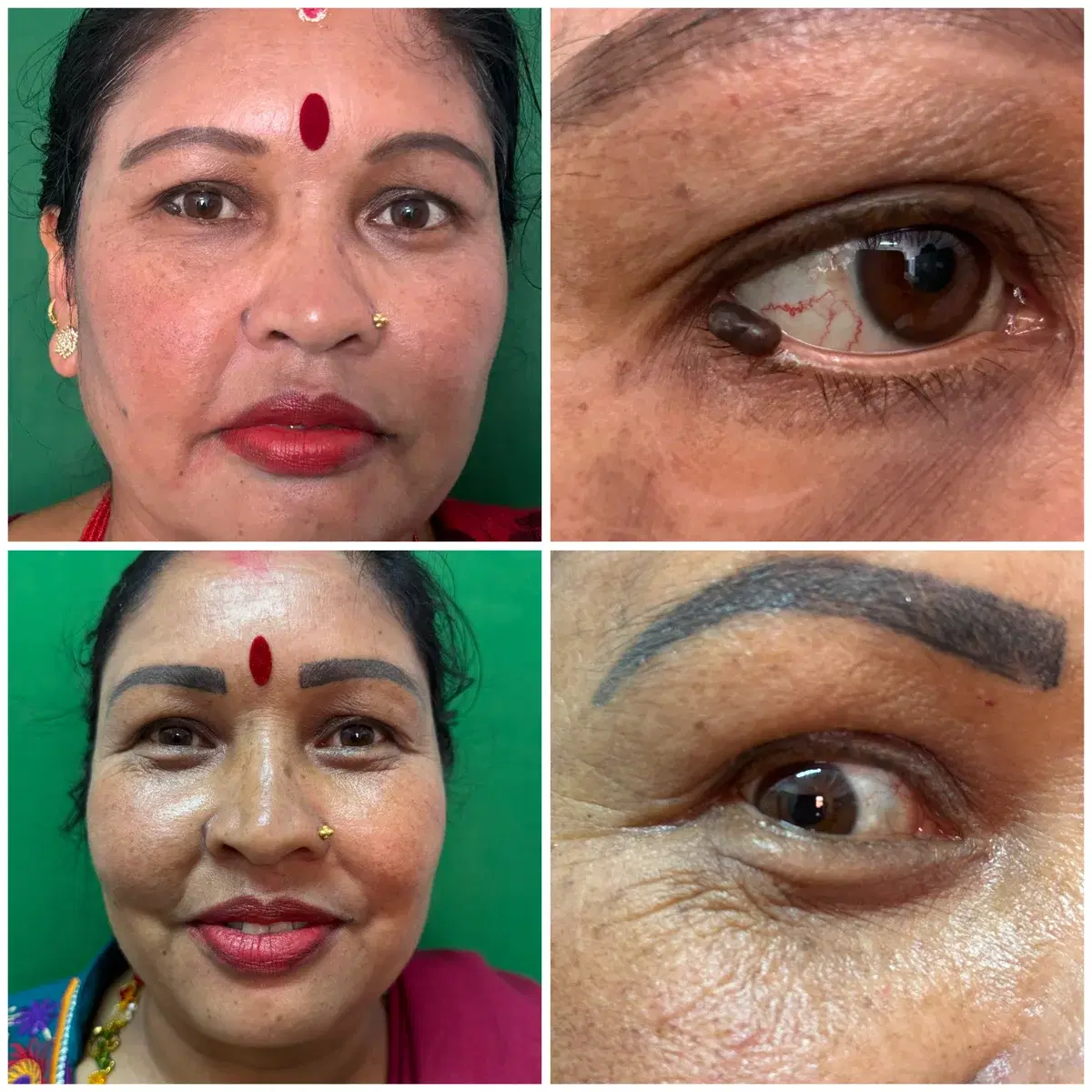
A mole, also known as a melanocytic nevus, is a collection of pigment-producing cells (melanocytes) that form a small, colored spot or raised growth on the skin.
Moles may be present at birth (congenital) or develop later in childhood or adulthood (acquired).
When Should You Consult a Dermatologist?
Although most moles are harmless, you should seek medical evaluation if a mole:
- Changes in size and color
- Develops irregular borders
- Grows rapidly
- Starts bleeding
- Becomes itchy or painful
- Develops crusting or ulceration
- Appears different from your other moles
Early assessment is important because some skin cancers, including melanoma, may initially resemble a mole.
The ABCDE Warning Signs of a Mole
Watch for the following changes:
A – Asymmetry
One half does not match the other.
B – Border
Edges are irregular, uneven, or poorly defined.
C – Color
Multiple shades of brown, black, red, blue, or white.
D – Diameter
Larger than approximately 6 mm or increasing in size.
E – Evolving
Any change in size, shape, color, or symptoms.
If you notice any of these features, consult a dermatologist promptly.
Mole Evaluation at Shubhashree Skin & Hair Clinic
Our dermatologist performs a detailed assessment that may include:
- Complete medical history
- Examination of the mole
- Dermoscopic examination (when indicated)
- Assessment for warning signs of skin cancer
If there is any suspicion of skin cancer, the mole may be removed and sent for laboratory (histopathological) examination.
Mole Removal Options
The treatment method depends on the mole's size, location, type, and clinical features.
Surgical Excision
The entire mole is removed under local anesthesia. This method is recommended for suspicious or larger moles and allows tissue to be examined under a microscope if needed.
Shave Excision
Suitable for selected raised, non-suspicious moles. The mole is carefully shaved from the skin surface with minimal discomfort.
Radiofrequency Removal
Radiofrequency surgery offers precise removal of selected benign moles with minimal bleeding and good cosmetic results.
Electrocautery
Certain superficial benign lesions may be treated using controlled electrical energy.
Our dermatologist will recommend the safest and most appropriate technique after evaluating the lesion.
Tips for Healthy Skin
To help protect your skin:
- Perform regular self-examinations of your moles.
- Use a broad-spectrum sunscreen with SPF 30 or higher every day.
- Avoid excessive sun exposure, especially during peak hours.
- Wear protective clothing and hats when outdoors.
- Schedule periodic skin examinations if you have many moles or a family history of skin cancer.
Schedule Your Consultation Today
If you have a mole that concerns you or would like to remove a mole for cosmetic or medical reasons, visit Shubhashree Skin & Hair Clinic for a professional evaluation.
Our dermatologist will carefully assess your skin, explain the available treatment options, and provide safe, effective care tailored to your individual needs.
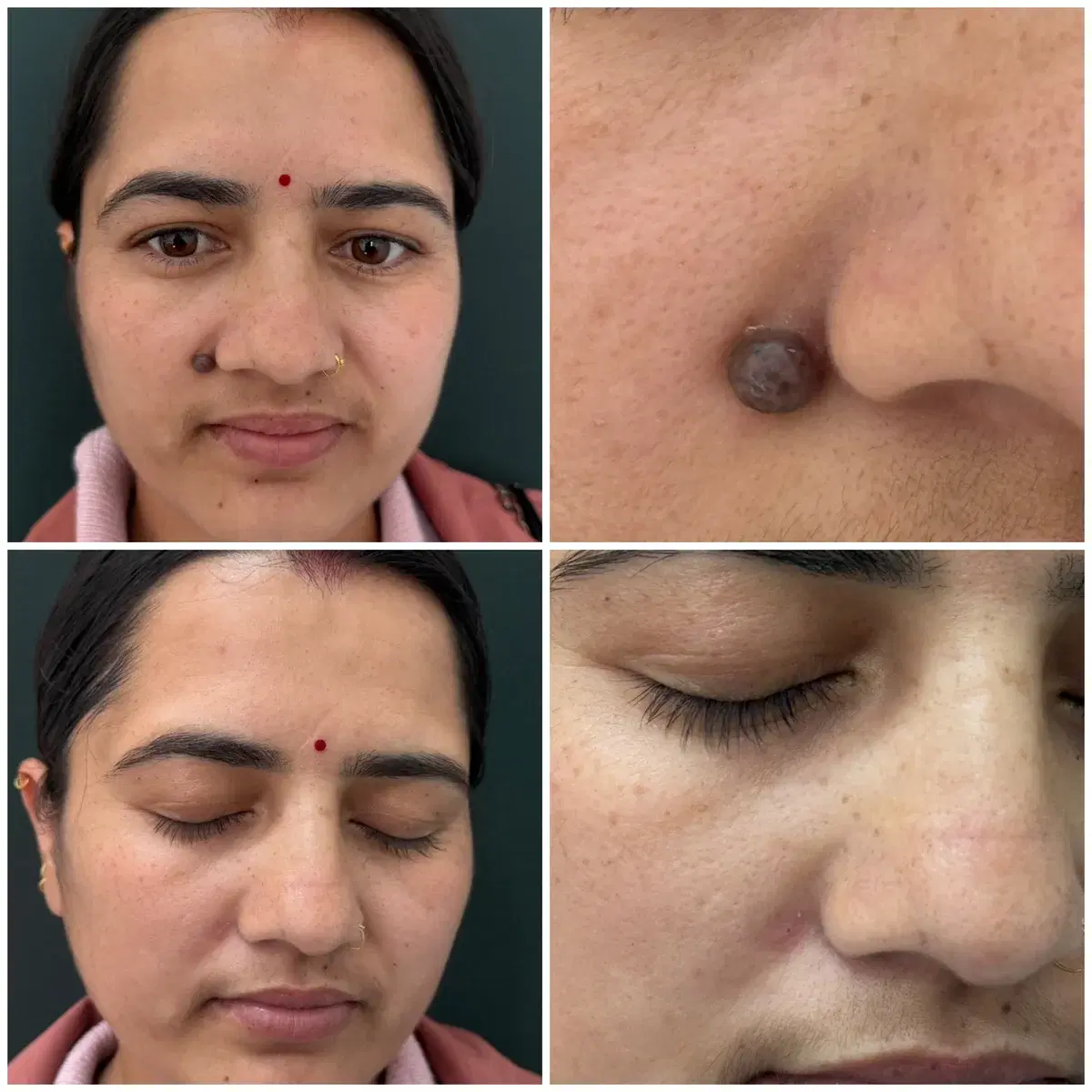
Frequently Asked Questions (FAQs)
No. Most moles are completely harmless and do not require treatment unless they change or cause cosmetic or functional concerns.
Most moles remain benign throughout life. However, some may develop changes that require medical evaluation. You must consult the dermatologist if you notice any change in the color, size of the mole.
Yes. Mole removal is a safe procedure when performed by a qualified dermatologist using appropriate techniques.
No. Mole removal is usually performed under local anesthesia, making the procedure comfortable. Most patients experience only mild soreness for a short period after treatment.
Any procedure that removes skin may leave a small scar. Our goal is to minimize scarring while ensuring complete and safe removal when indicated.
Consult a dermatologist if you notice a new mole after adulthood, changes in an existing mole, bleeding, itching, pain, rapid growth, or if a mole repeatedly gets irritated by clothing or shaving.