
Skin Tag
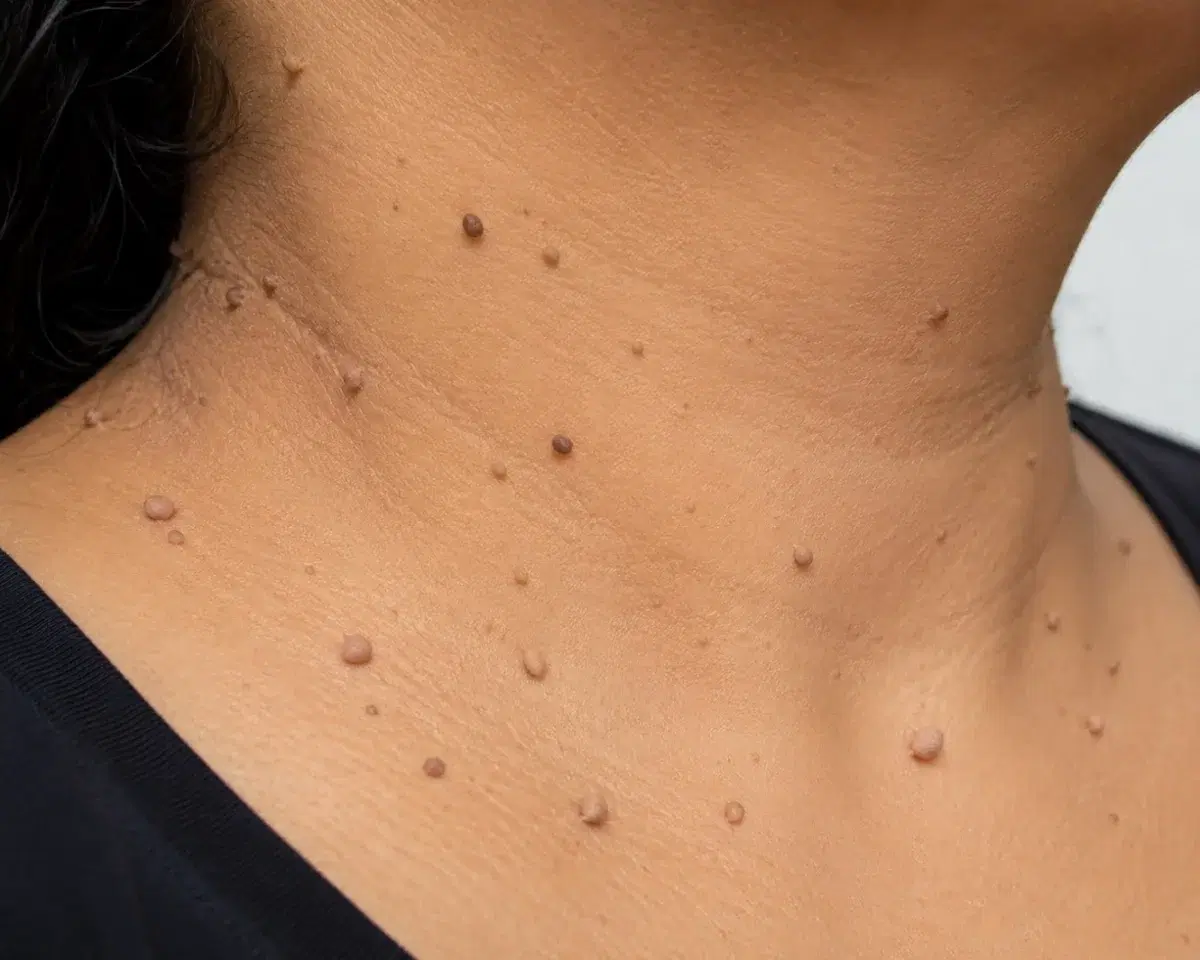
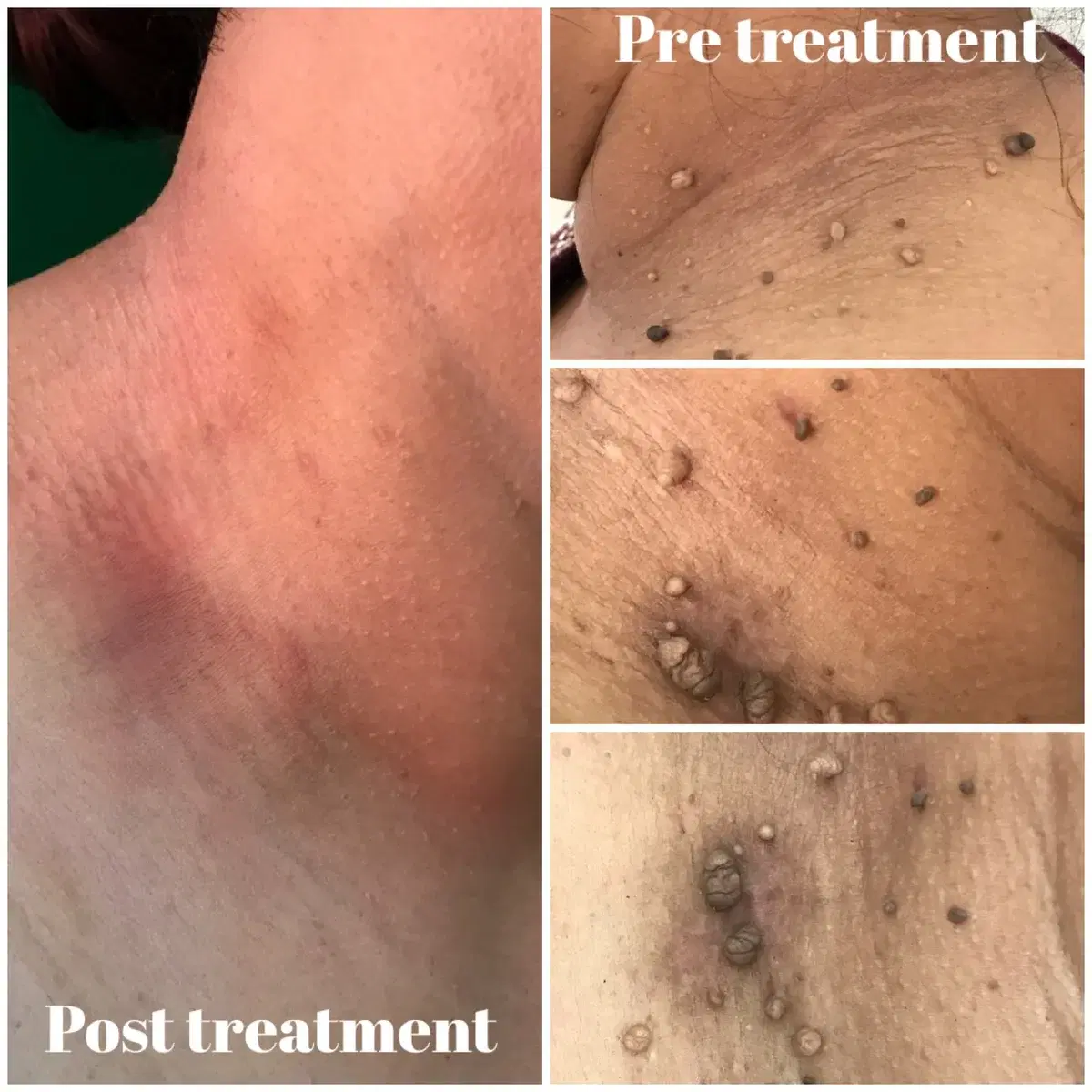
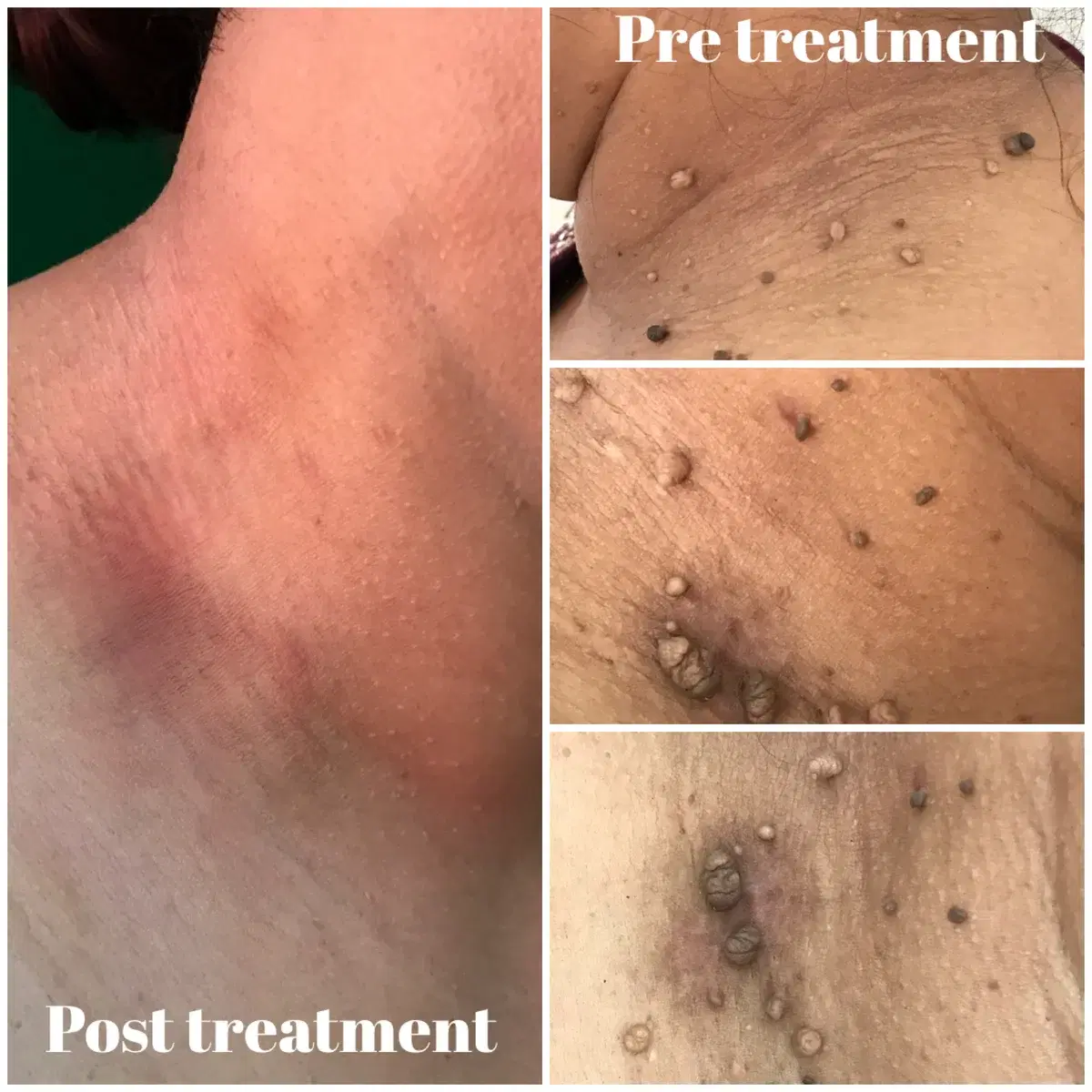
Skin tags are small, soft, harmless flesh-colored or slightly darker growth that often appears on the skin’s surface and hang off the skin by a thin stalk.
Skin tags are very common and can occur anywhere on the body, especially in areas where skin rubs against skin or clothing—such as the neck, armpits, eyelids, under the breasts, and groin area.
Causes of Skin Tags
Factors contributing to their development:
• Friction between skin folds
• Hormonal changes (especially during pregnancy)
• Obesity or being overweight
• Genetic predisposition
• Insulin resistance or diabetes
• Aging
Skin Tag Treatment Options
At our skin clinic, we offer safe and effective methods for skin tag removal performed by experienced professionals.
1. Radiofrequency (RF) Cauterization
A quick, minimally invasive procedure that uses controlled radio waves to gently remove skin tags with minimal discomfort and downtime.
2. Cryotherapy
This involves freezing the skin tag with liquid nitrogen, causing it to dry up and fall off naturally after a few days.
3. Laser Removal
Laser energy targets and removes the skin tag precisely without affecting surrounding skin, ensuring a smooth and scar-free result.
4. Surgical Excision
For larger skin tags, a simple and safe minor surgical removal under local anesthesia may be performed.
Aftercare
Keep the treated area clean, avoid scratching, and apply prescribed ointments. Patients must strictly avoid direct sun exposure and apply broad spectrum sunscreens to prevent pigmentation. Healing typically occurs within a few days, leaving clear, healthy skin.
Why Choose Our Clinic?
• Expert dermatologists and certified aestheticians
• Advanced, pain-free procedures
• Safe, sterile, and comfortable environment
• Personalized care and follow-up support
Key Message for Patients
Skin tags are common, harmless skin growths that can be safely and effectively removed with simple outpatient procedures.
Consult our dermatologist at SHUBHASHREE Skin & Hair Clinic, Gatthaghar, Bhaktapur, for an evaluation and personalized treatment for Skin Tags.
Frequently asked questions
Answer:
Multiple skin tags may occur due to:
- Genetic predisposition
- Obesity
- Diabetes
- Insulin resistance
- Hormonal changes
- Chronic friction in skin folds
Answer:
Most skin tags do not disappear spontaneously. They usually remain stable or slowly increase in size over time.
Answer:
This may happen if the blood supply to the skin tag becomes interrupted due to twisting. Such skin tags often dry up and eventually fall off.
Answer:
Most removal procedures cause minimal discomfort. Local anesthesia may be used for larger skin tags, making the procedure nearly painless.
Answer:
Common treatment options include:
- Radiofrequency (RF) cautery
- Electrocautery
- Cryotherapy (freezing)
- Laser removal
The choice depends on the size, number, and location of the skin tags.
Answer:
Radiofrequency or electrocautery removal is often preferred because it is quick, precise, and associated with minimal bleeding and good cosmetic results.
Answer:
Yes. Eyelid skin tags can be safely removed by a dermatologist using specialized techniques while protecting the eye.
Answer:
Most skin tags heal with little or no visible scarring when removed properly. Larger lesions may leave a tiny mark that usually fades over time.