
"Clear Skin Starts Here – Trusted Acne Care at Shubhashree Skin & Hair Clinic."
Early consultation and proper treatment can prevent acne scars, pigmentation, and long-term skin damage.
At Shubhashree Skin and Hair Clinic, with a team of experienced dermatologists, certified aestheticians, and the latest in skin technology, we offer comprehensive care in a warm and welcoming environment.
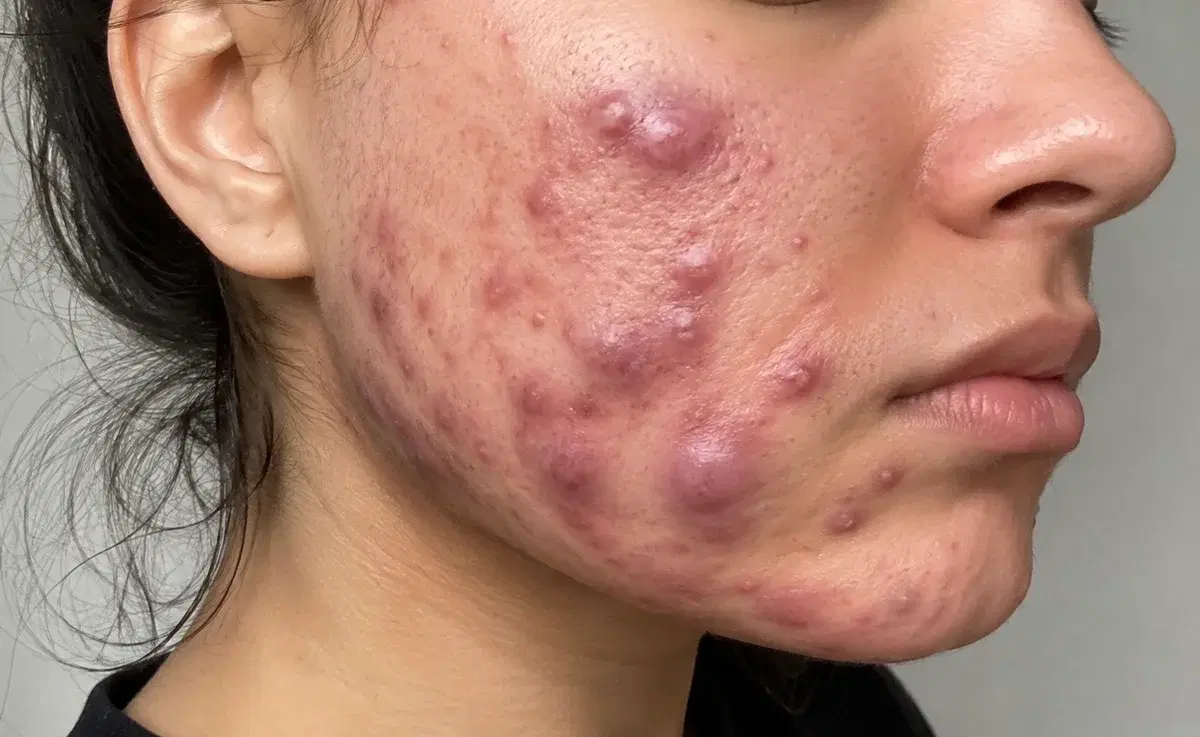
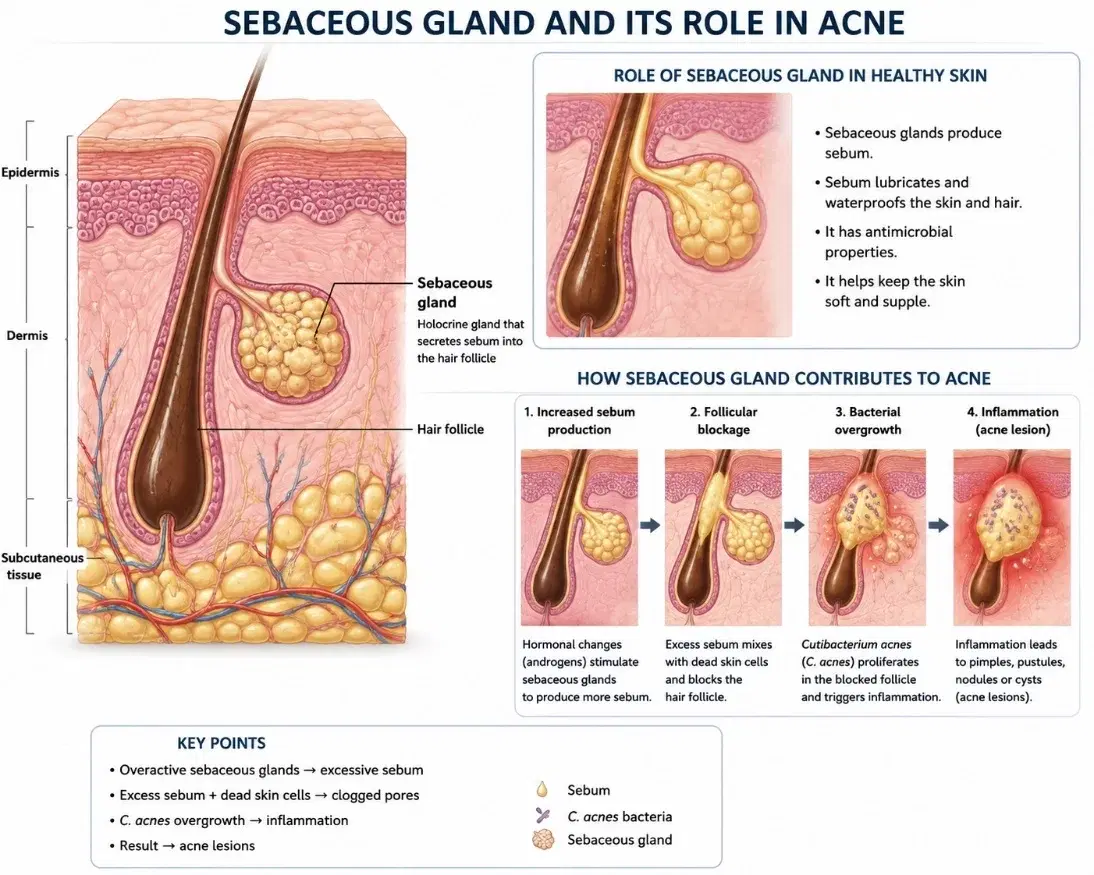
Acne occurs when the skin’s oil glands (sebaceous glands) produce excess oil (sebum), leading to clogged pores, inflammation, and bacterial buildup.
Approximately 20% of the affected individuals develop severe acne, which results in scarring.
How is ACNE formed?
Signs & Symptoms
Acne can present itself in different forms, such as:
• Whiteheads – Closed clogged pores
• Blackheads – Open clogged pores that appear dark
• Papules – Small, red, tender bumps
• Pustules (Pimples) – Red pimples with white or yellow pus at the tip
• Nodules – Large, painful lumps beneath the skin
• Cystic Lesions – Deep, pus-filled, painful breakouts that may lead to scarring
What Causes Acne?
Acne develops when the hair follicles and sebaceous glands become blocked and inflamed. Several factors contribute to acne, including:
- Excessive production of skin oil (sebum)
- Clogging of pores with dead skin cells
- Bacterial overgrowth within blocked follicles
- Inflammation
- Hormonal changes, especially during adolescence
- Stress and certain lifestyle factors
- Some medications
- Acne-promoting cosmetics or skincare products
- Hormonal disorders in selected patients
In women, persistent adult acne, particularly around the jawline and chin, may sometimes be associated with hormonal changes and may require further evaluation.
Acne Treatment at Shubhashree Skin & Hair Clinic
Treatment depends on the type and severity of acne. Our dermatologist may recommend one or a combination of the following:
1. Topical Medications
For mild to moderate acne, topical treatment may be sufficient. Depending on the patient's condition, treatment may include:
- Retinoids
- Benzoyl peroxide
- Topical antibiotics
- Azelaic acid
2. Oral Medications
Moderate to severe acne, widespread acne or acne that is not responding adequately to topical treatment may require oral medication.
Depending on the individual patient, options may include:
- Oral antibiotics like Doxycycline, Azithromycin for selected inflammatory acne
- Hormonal treatment for appropriate female patients
- Oral isotretinoin for severe, persistent or scarring acne
3. Intralesional injection
In severe form of Nodulocystic acne, the pus must be drained and injectable medicine like Triamcinolone must be given intralesionally.
4.Comedone Extraction
Extraction of comedones can help clear blocked pores. Acne should not be squeezed as this can worsen inflammation and increase the risk of pigmentation and scarring.
5. Chemical Peels
Selected chemical peels may be used as an adjunctive treatment for acne, oily skin and post-acne pigmentation. It help to improve skin texture and reduce clogged pores when performed appropriately by a trained professional.
Early consultation and proper treatment can prevent acne scars, pigmentation, and long-term skin damage.
Avoid self-medication and seek professional advice for the best results.
Expert dermatologist-Dr. Surendra Shrestha have a key interest in treating Acne and acne scar
Struggling with acne? Don’t wait for it to worsen or scar.
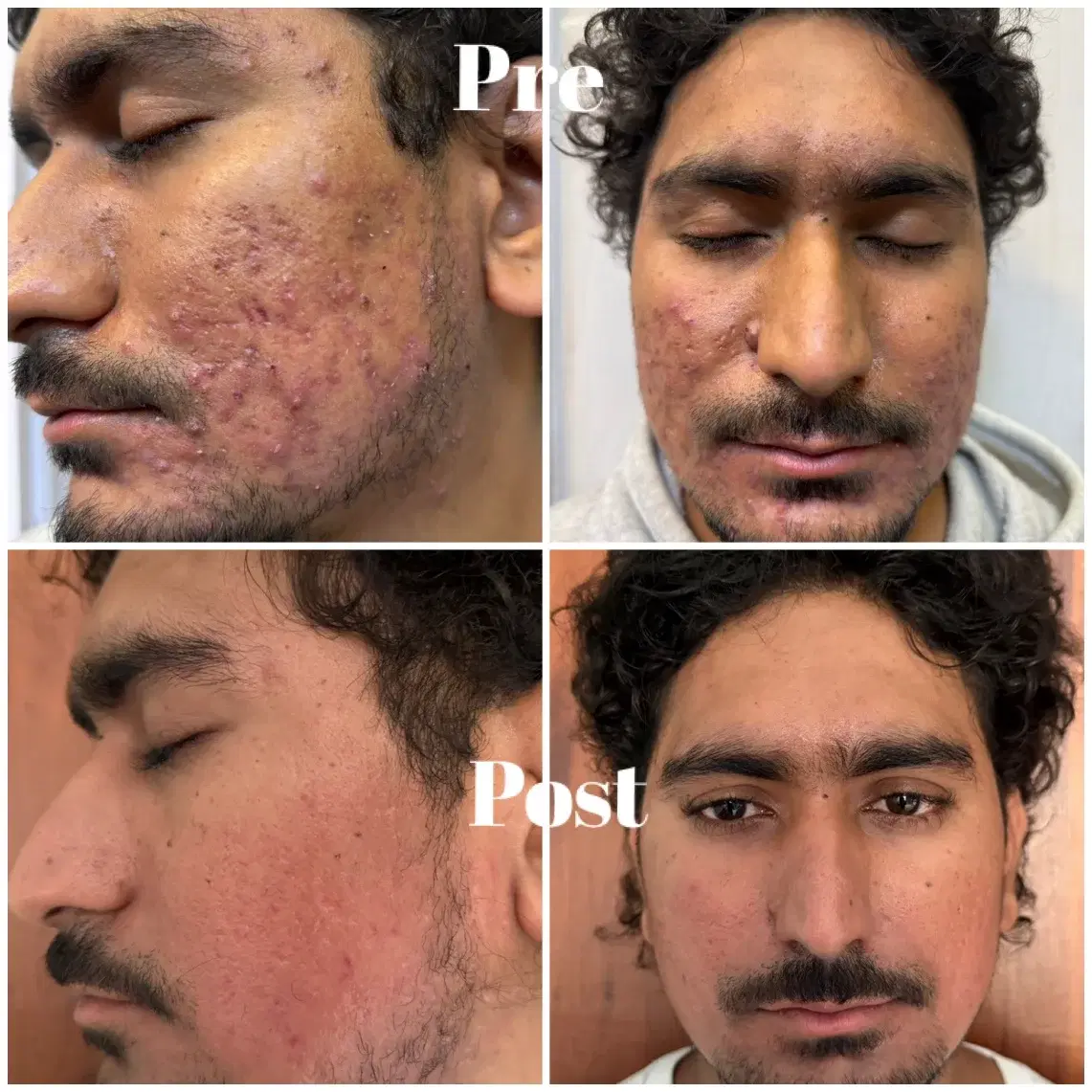
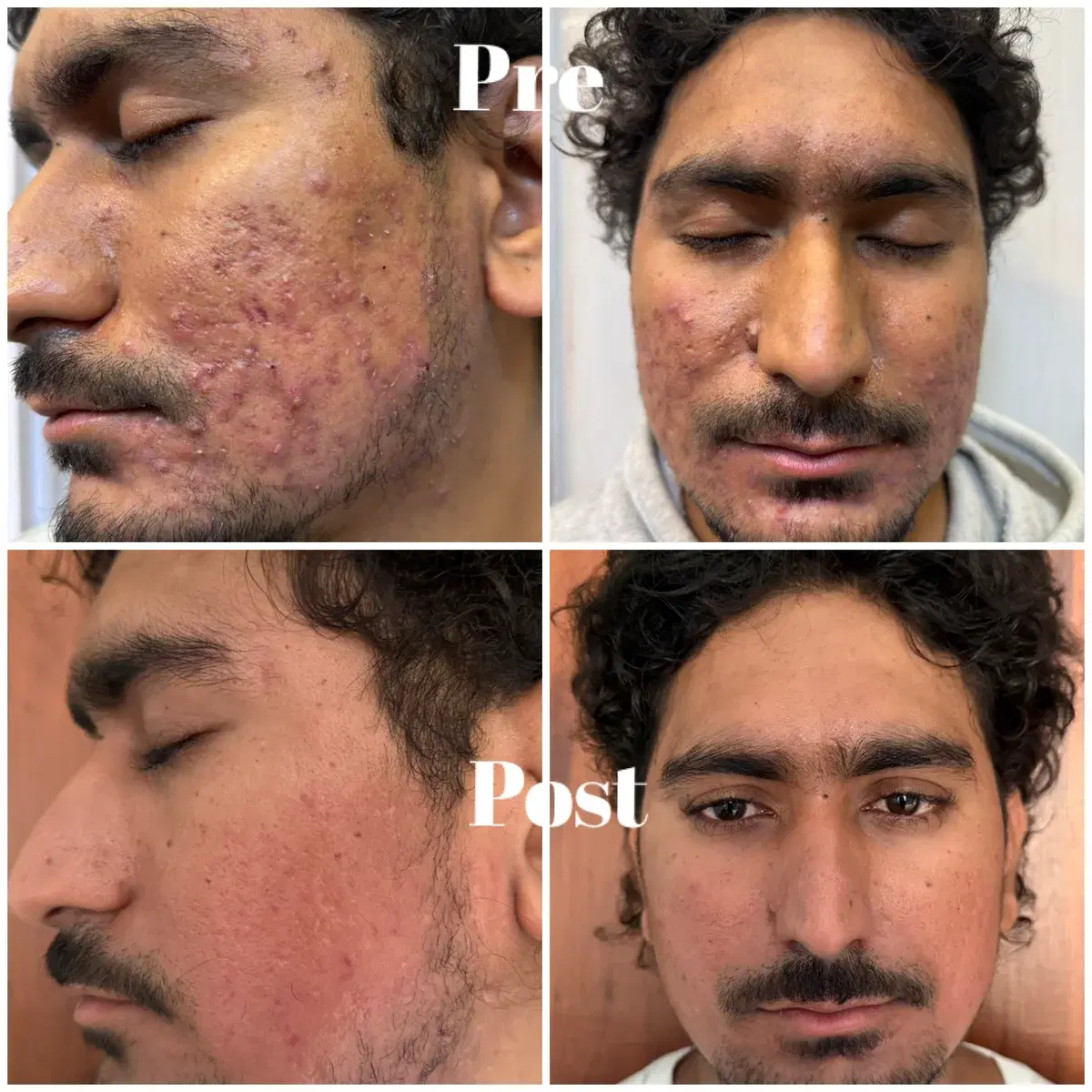
Book a consultation with our consultant Dermatologist Dr. Surendra Shrestha today and take the first step toward clearer, healthier skin.
Frequently asked questions
Answer:
Acne develops due to multiple factors:
- Excess oil production
- Hormonal changes (especially during puberty)
- Clogged pores
- Growth of acne-causing bacteria
- Certain cosmetics, medications, and stress
Answer:
Oily food itself does not directly cause acne. However, some studies suggest that high-glycemic foods (sugary foods, soft drinks, white bread) and excessive dairy products may worsen acne in some individuals.
Answer:
Stress does not directly cause acne, but it can worsen existing acne by increasing inflammation and hormonal fluctuations.
Answer:
Untreated acne can persist and may lead to permanent scarring and pigmentation. Early treatment helps prevent complications.
Answer:
No. Popping pimples can:
- Increase inflammation
- Cause infection
- Lead to dark marks
- Increase the risk of permanent acne scars
Answer:
Heavy or oil-based cosmetics can clog pores and worsen acne. Using non-comedogenic (non-pore-clogging) products is recommended.
Answer:
Some medications, especially retinoids, may cause a temporary flare-up during the first few weeks due to skin purging.
Skin purging is a temporary phase where your acne may look worse after starting treatment that speeds up cell turnover (such as retinoids or chemical exfoliants). It is an acceleration of the skin clearing out existing congestion, bringing hidden bumps to the surface faster than they would normally.
This is usually normal and improves with continued treatment.
Lightweight, oil-free, non-comedogenic water based or gel based sunscreens only to be used.. Don’t use cream based sunscreen that will clog the pores leading to acne flare.
Answer:
Hormonal changes before menstruation increase oil production in the skin, leading to acne flare-ups, especially on the chin and jawline.
Answer:
These marks are called post-inflammatory hyperpigmentation (PIH). They are not true scars and usually fade gradually with proper treatment and sun protection.
Answer:
A gentle, non-comedogenic cleanser containing ingredients such as salicylic acid may help. The best choice depends on your skin type and acne severity.
Answer:
Yes. Acne treatments can dry the skin. Using an oil-free, non-comedogenic moisturizer helps maintain the skin barrier and reduces irritation.