
Melasma
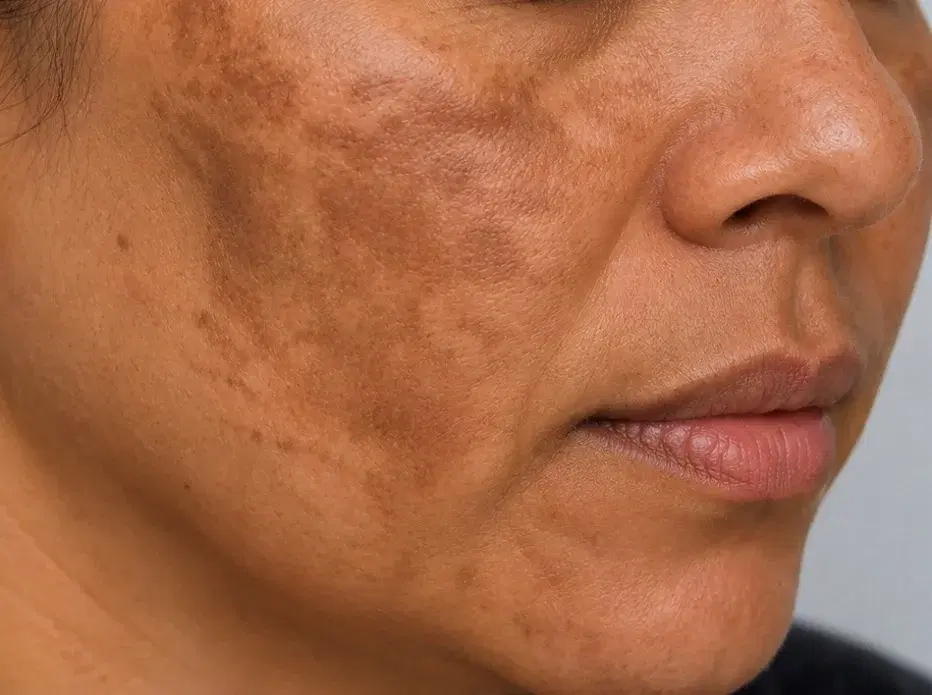
Melasma is a common skin condition that causes brown or grayish-brown patches to appear on the face, especially on the cheeks, forehead, nose, upper lip, and chin. It occurs when the skin produces excess melanin.
Causes of Melasma
Several factors contribute to melasma, including:
• Sun exposure: Ultraviolet (UV) rays stimulate melanin production.
• Hormonal changes: Common during pregnancy, use of birth control pills, or hormone therapy.
• Genetic factors: Family history of melasma or pigmentation disorders.
• Heat and light exposure: Prolonged exposure to heat or visible light can trigger melasma.
• Certain medications and cosmetics: Some products can irritate the skin, making pigmentation worse.
Melasma Treatment Options
At our clinic, we offer advanced, customized treatments for melasma to safely and effectively reduce pigmentation and restore your natural, even skin tone.
1. Medical Topical Creams
Hydroquinone, kojic acid, azelaic acid, retinoids, and vitamin C help to lighten dark patches and regulate pigment production.
Chemical peels exfoliate the upper layers of the skin, promoting cell renewal and reducing melanin buildup. Mild to medium-depth peels are selected based on your skin type and sensitivity.
3. Laser Treatment
Laser therapy, such as the Q-switched Nd:YAG laser, targets deeper pigmentation safely without damaging the surrounding skin. It is highly effective for stubborn melasma and provides long-lasting results with minimal downtime.
4. Mesotherapy and Micro-Infusion
These treatments deliver brightening agents like tranexamic acid, glutathione, and vitamins directly into the skin, helping to reduce pigmentation and improve overall skin clarity.
5. Sun Protection and Maintenance Care
Consistent use of a broad-spectrum sunscreen (SPF 30 or higher) is essential to prevent melasma from recurring.
Get Even, Radiant Skin with Expert Care
Melasma can be effectively treated with the right combination of advanced dermatological care and ongoing maintenance. Visit our clinic to consult with our experts and find the best solution for your pigmentation concerns.
Let us help you achieve a clearer, brighter, and more confident you
Frequently asked questions
Melasma can be triggered by sun exposure, hormonal changes (pregnancy or birth control pills), genetics, and certain medications or cosmetics.
Melasma can be effectively controlled and significantly improved, but it may recur if proper sun protection and maintenance treatment are not followed.
Yes. Prolonged exposure to heat during cooking will also stimulate the melanocytes leading to increased production of melanin.
Sunscreen is the most important part of melasma management. Daily use helps prevent worsening and reduces the risk of recurrence.
Most patients start noticing improvement within 6–12 weeks, although treatment duration varies depending on the severity and depth of pigmentation.
When performed by a qualified dermatologist, chemical peels can help improve pigmentation and enhance the results of medical treatment.