
Advanced, Personalized Care for Keloidal Scars
What is a Keloid?
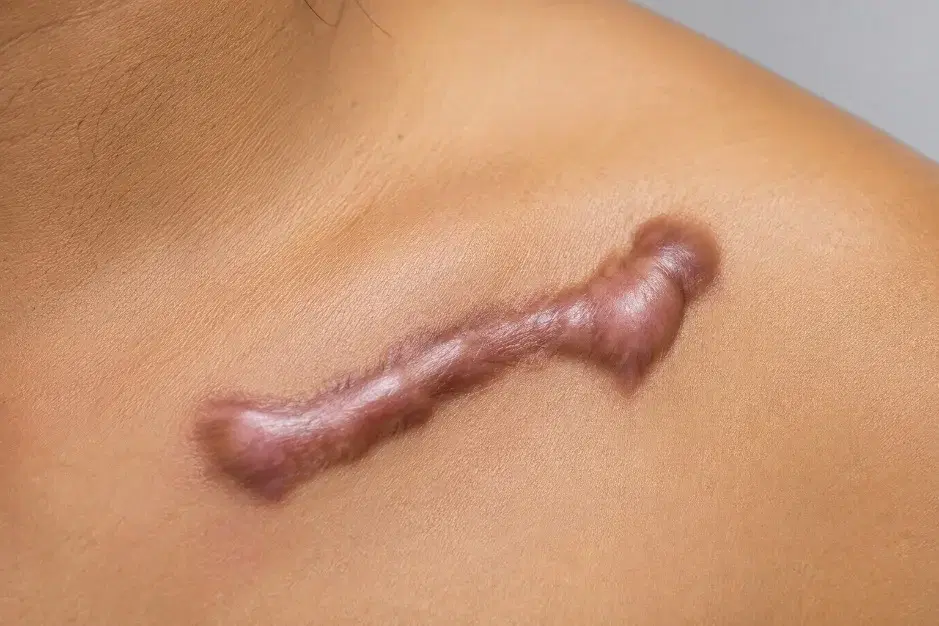
A keloid is an abnormal scar formed due to excessive wound healing.
It appears as a firm, raised growth that extends beyond the original wound. Keloids are benign (non-cancerous), but they may continue to grow and can recur if not treated appropriately.
Keloids may develop after:
- Ear piercing
- Acne
- Surgical and burn scars
- Cuts and injuries
- Insect bites
In some people, even a minor injury can lead to a keloid.
Common Areas Where Keloids Occur
Keloids can develop anywhere on the body but are most commonly seen on:
- Earlobes
- Chest
- Shoulders
- Upper back
- Neck
- Arms
Keloid Treatment Options
Intralesional Steroid Injections
One of the most effective first-line treatments. Steroid injections help:
- Flatten the keloid
- Reduce itching
- Slow further growth
Several sessions may be required for optimal results.
Cryotherapy
Freezing the scar with liquid nitrogen can reduce the size of smaller keloids and is sometimes combined with other treatments.
Silicone Gel Sheets and Silicone Gel
Silicone products help soften, flatten, and improve the appearance of scars, especially when used consistently over several months.
Surgical Removal
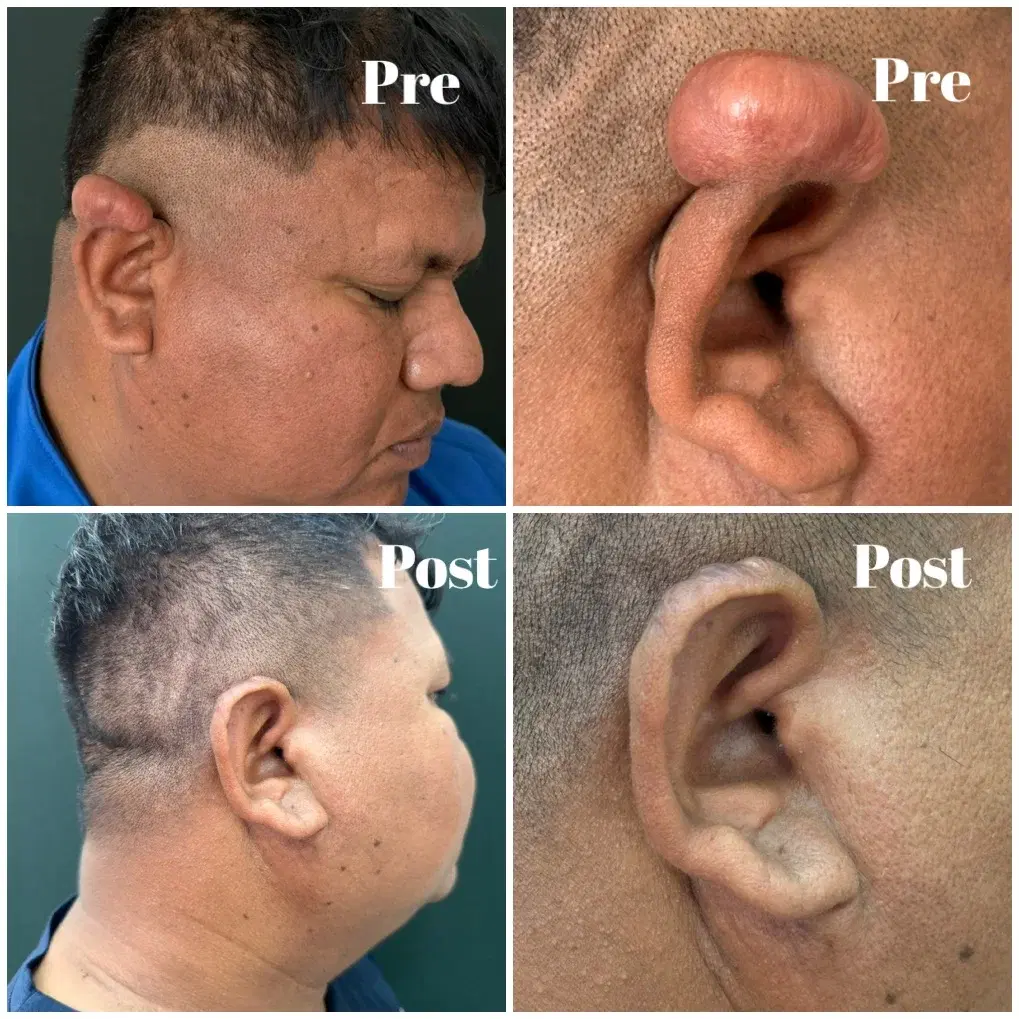
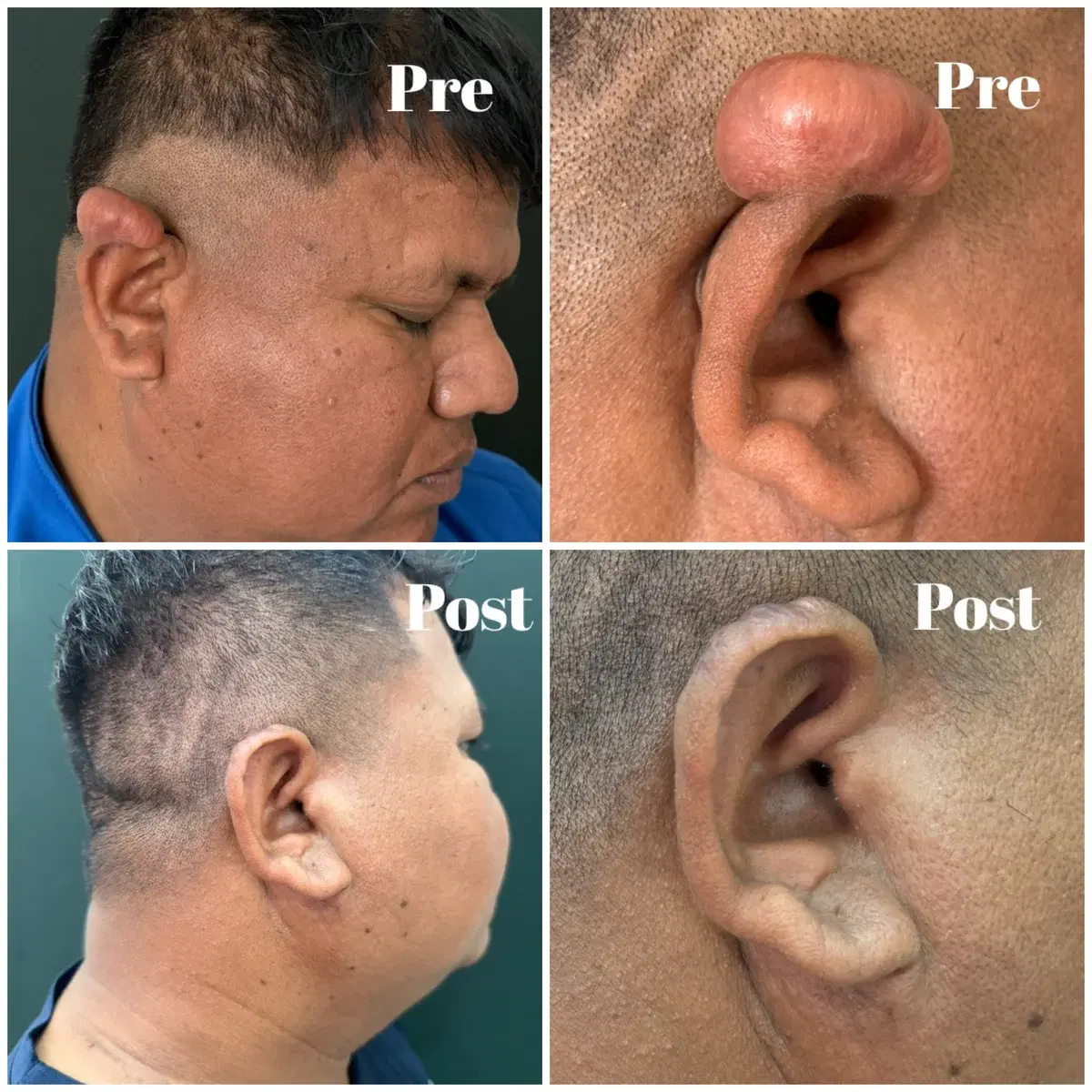
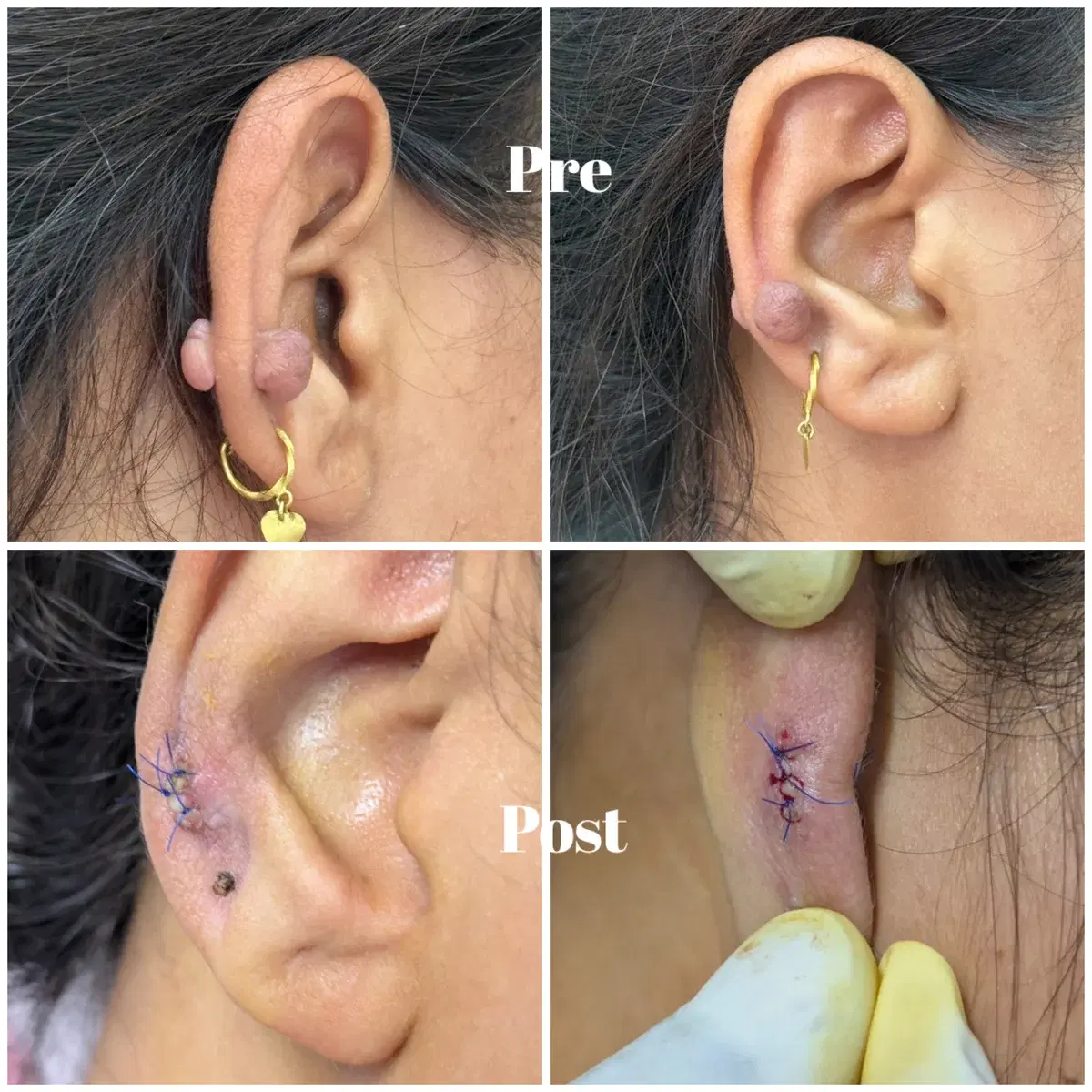
Large or symptomatic keloids may require surgical excision. Because keloids have a tendency to recur, surgery is often combined with additional treatments such as steroid injections
Laser Therapy
Laser treatment may help reduce redness, improve texture, and enhance the overall appearance of selected keloids.
Schedule Your Consultation
Visit Shubhashree Skin & Hair Clinic for a thorough evaluation and a personalized keloid treatment plan designed to improve your comfort, appearance, and quality of life.
Frequently Asked Questions (FAQs)
Yes. Keloids have a tendency to recur even after successful treatment. However, combining different treatment methods and following your dermatologist's advice can significantly reduce the risk of recurrence.
Regular follow-up is important for long-term control.
Keloids rarely disappear without treatment. They often remain the same size or gradually enlarge over time.
Treatment can significantly improve the scar, but recurrence is possible. Combining therapies and attending follow-up visits helps reduce the risk.
Most patients experience only mild discomfort. If needed, measures can be taken to make the procedure more comfortable.
The number of sessions depends on the size, thickness, and response of the keloid. Many patients require several sessions spaced a few weeks apart.